- world
- politics
Iran Orders Military to Strike Back Without Geographic Limits
The war began February 28, when the United States and Israel launched strikes on Iran. Supreme Leader Mojtaba Khamenei ordered military commanders to respond immediately to any renewed attack without geographic limits and expand targets to include US and Israeli assets. Qatari diplomats continue mediation, while Strait of Hormuz traffic remains far below prewar levels.
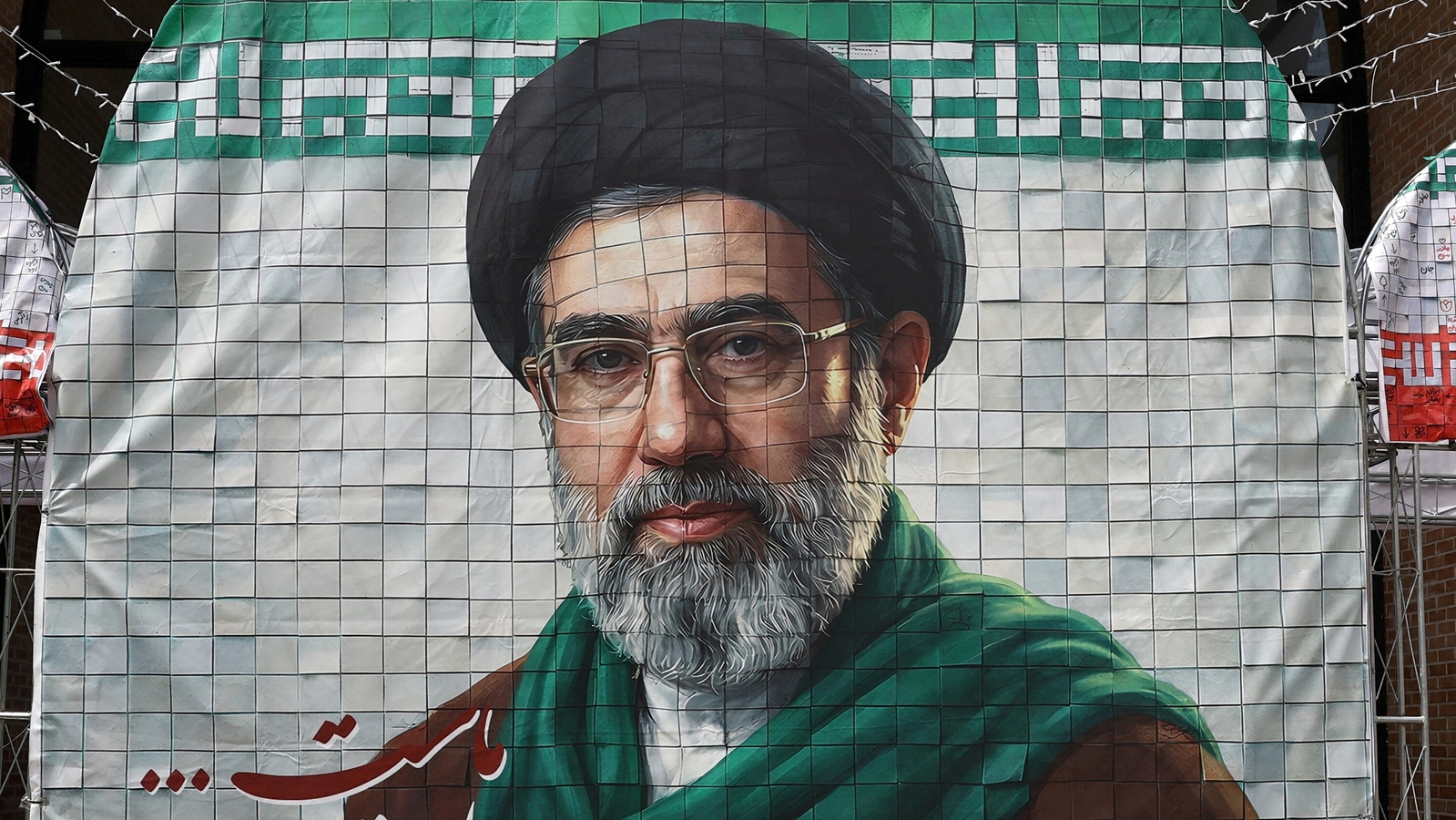
A warning from Iran’s top leader reached the military on Saturday: any new attack must bring an immediate response, with no limits on where. Supreme Leader Mojtaba Khamenei also told commanders to widen the list of US and Israeli targets Iran could strike. The order came during a reported meeting with senior military officials, the first reported gathering between Khamenei and the military leadership. 13
That meeting followed months of war and a fragile pause in fighting. The United States and Israel began strikes on Iran on February 28; Iran answered with attacks on Israel and US positions in the region. Khamenei said Iran’s armed forces and people would decide when and how any renewed conflict ends. He also called for better intelligence and stronger home-grown defence.312 Meanwhile, Qatar’s diplomats have held talks in Tehran, seeking to stop the fighting from restarting. The Strait of Hormuz, a key shipping route, remains part of the dispute. 26
The stalled deal over the Strait helps explain why the military warning matters beyond Iran. Tehran has proposed reopening the waterway in exchange for a return to a June agreement. It is also seeking an end to the US blockade on Iranian ports, relief from oil sanctions and a regional truce. Washington has pushed for nuclear promises, including international inspections, according to reports on a letter from US Vice President JD Vance. The sides have not announced an agreement, and shipping traffic through the strait remains far below pre-war levels. 26
Those negotiations now face a sharper threat: renewed strikes could widen a conflict already affecting regional security and shipping. US President Donald Trump has said the war may end soon, while also leaving open the chance of further action. On Saturday, Saudi and Egyptian officials urged a return to peace and warned against more fighting. Qatar’s mediators are expected to continue discussions in Tehran, as both sides weigh whether diplomacy can prevent another round of fighting. 178
Questions about this story
Why does the Strait of Hormuz matter?▾
It is a strategically important shipping route, and war has brought traffic through it far below pre-war levels. Iran has tied reopening it to negotiations with Washington. 2
What terms is Tehran seeking in talks?▾
What role does Iran’s supreme leader have?▾
Iran’s supreme leader is the country’s highest political and religious authority. The armed forces and other key state bodies answer to that office.
Sources (13)
- 1
Iran's Khamenei warns US and Israel against fresh attacks, orders 'unrestricted' military response to threats | World Newshindustantimes.com
- 2
Iran Signals Broad Retaliation as Qatar Holds Talksozarab.media
- 3
Iran's supreme leader orders "immediate, effective" response to any "enemy" threatenglish.news.cn
- 4
Iran's Mojtaba Khamenei orders military response without 'geographic limits' to new threatsdeccanherald.com
- 5
Leader Emphasizes Intelligent Combat Readiness for A Powerful Confrontation with Enemiesiqna.ir
- 6
Iran warns of unfettered retaliation if attacked as mediators try for peacealjazeera.com
- 7
Iranian leader threatens response to potential attack as fears of war mount, and other Mideast newsmdjonline.com
- 8
Iranian leader threatens response to potential attack as fears of war mount, and other Mideast newsbakersfield.com
- 9
Iranian leader threatens response to potential attack as fears of war mount, and other Mideast newsclintonherald.com
- 10
Geographically unrestricted response: Mojtaba orders Iran's military against US attacindiatoday.in
1 minute read.